Get Roof Waterproofing
Roof waterproofing services help property owners prevent leaks, water damage, and mold by sealing and protecting roofs through various repair and coating projects.
Property owners exploring roof waterproofing services often seek reliable solutions to protect their buildings from water intrusion, leaks, and structural damage. Whether planning a new roofing project or maintaining an existing structure, understanding the options available from local contractors can help ensure the job is done effectively. This page is designed to connect you with experienced service providers who can assess your needs and recommend appropriate waterproofing measures to safeguard your property.
Comparing local contractors allows property owners to evaluate different approaches, materials, and service offerings tailored to their specific circumstances. As you explore your options, keep in mind the practical benefits of waterproofing-such as enhanced durability, reduced repair costs, and increased property value. Continue reading to discover how trusted local professionals can assist with your roof waterproofing project and help you make informed decisions for your property’s protection.
- Commercial Roof Waterproofing - needed when business premises experience leaks or moisture issues affecting operations.
- Residential Roof Waterproofing - essential for homeowners addressing persistent leaks or preparing for severe weather conditions.
- Industrial Roof Waterproofing - required when large-scale facilities face water intrusion that threatens equipment or structural integrity.
- Flat Roof Waterproofing - necessary for buildings with flat roofing systems prone to pooling water and leaks.
- New Roof Waterproofing - recommended during installation to ensure long-lasting protection against water damage.
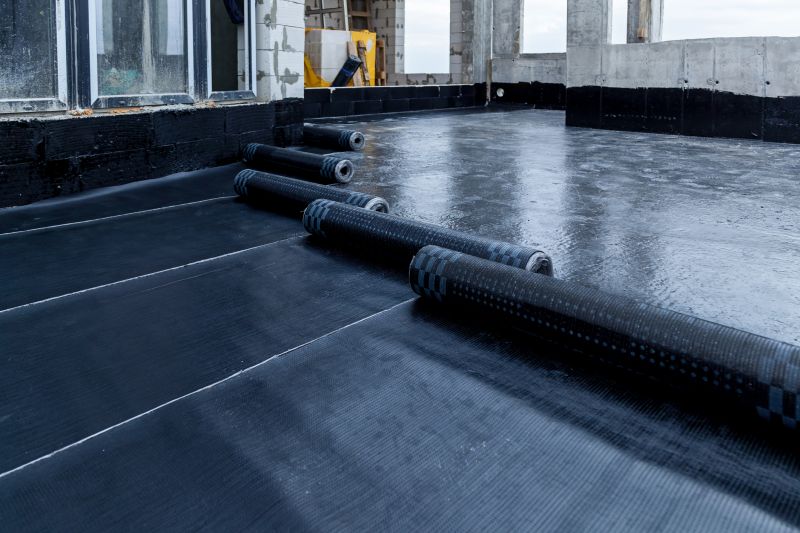
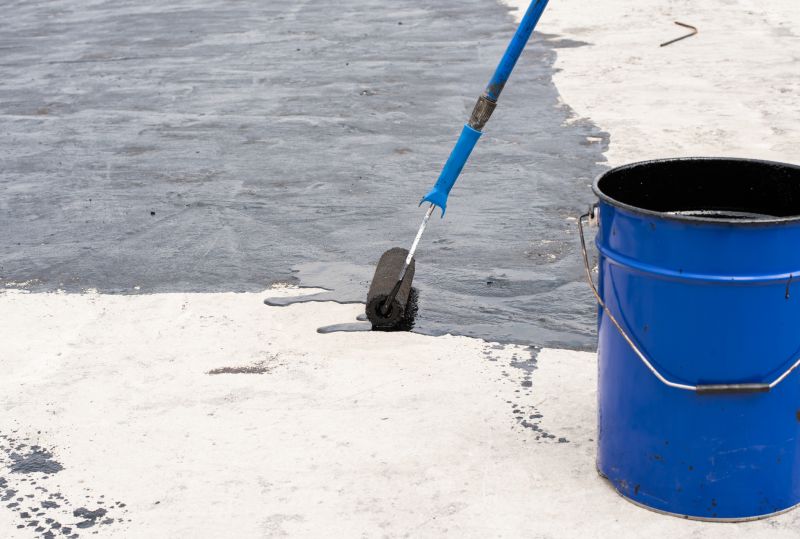
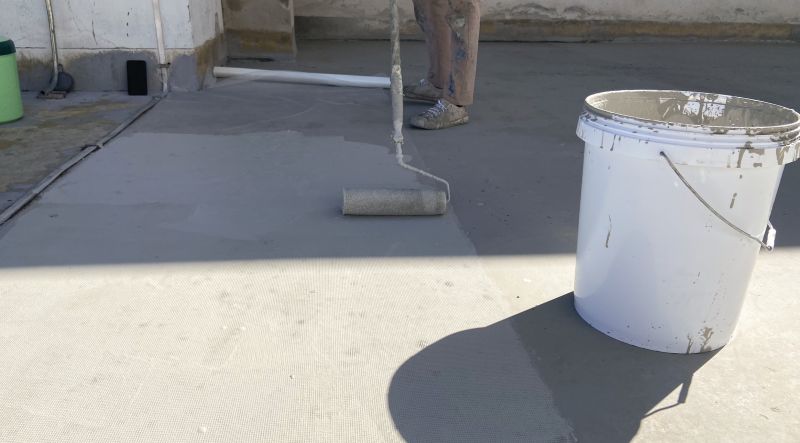
Roof waterproofing services involve applying specialized materials and techniques to create a protective barrier on a roof’s surface. This process helps prevent water from penetrating the roof structure, safeguarding the building’s interior from leaks and water damage. Contractors typically assess the roof’s current condition, identify vulnerable areas, and then carefully install waterproof membranes, coatings, or sealants that adhere to the roof surface. Proper waterproofing not only extends the lifespan of a roof but also reduces the risk of costly repairs caused by water infiltration over time.
Waterproofing services are essential for addressing common roofing problems such as leaks, mold growth, and structural deterioration. When a roof’s surface becomes compromised-due to age, weather exposure, or poor initial installation-water can seep through cracks, seams, or damaged areas. This can lead to stained ceilings, rotting wood, and even damage to insulation and electrical systems inside the property. Waterproofing helps solve these issues by creating a durable, impermeable layer that keeps moisture out, protecting the building’s integrity and maintaining a safe, dry environment.
These services are frequently used on a variety of property types, including residential homes, commercial buildings, and multi-family complexes. Homeowners often seek waterproofing for flat or low-slope roofs, especially in areas prone to heavy rainfall or snow. Commercial property owners may require waterproofing for large roof surfaces or rooftops with equipment and HVAC units. Multi-unit dwellings and apartment complexes also benefit from waterproofing to prevent water intrusion that could affect multiple tenants or units. Regardless of property size, waterproofing provides an effective way to preserve the roof and avoid future water-related problems.
Homeowners who notice signs of leaks, water stains, or mold growth may need roof waterproofing services. Additionally, properties with aging roofs, frequent storms, or previous water damage are good candidates for waterproofing treatments. Service providers can evaluate the roof’s condition and recommend appropriate waterproofing solutions to prevent further issues. By choosing experienced local contractors, property owners can ensure that their roofs receive the proper protection needed to withstand the elements and maintain the property’s value and safety.
The overview below groups typical Roof Waterproofing projects into broad ranges so you can see how smaller, mid-sized, and larger jobs often compare in your area.
In many markets, a large share of routine jobs stays in the lower and middle ranges, while only a smaller percentage of projects moves into the highest bands when the work is more complex or site conditions are harder than average.
Smaller Repairs - minor waterproofing fixes on a roof typically cost between $250 and $600. Many routine patching or sealing jobs fall within this range, depending on the extent of the work needed. Larger or more complex repairs can increase the cost beyond this typical range.
Medium-Sized Projects - for moderate waterproofing projects, such as coating an entire roof surface, costs generally range from $1,000 to $3,000. Most projects of this scale are completed within this band, with fewer reaching higher amounts due to additional materials or surface prep.
Large or Complex Jobs - extensive waterproofing work, including multiple layers or specialized materials, can range from $3,500 to $7,000 or more. These projects are less common but are necessary for roofs with significant damage or unique structural needs.
Full Roof Replacement - when waterproofing is part of a complete roof replacement, costs often start around $8,000 and can exceed $20,000 depending on size and materials. Many contractors handle these larger projects, which tend to be at the higher end of the cost spectrum due to scope and materials involved.
Actual totals will depend on details like access to the work area, the scope of the project, and the materials selected, so use these as general starting points rather than exact figures.
Foundation Waterproofing - involves applying similar waterproofing techniques to prevent water intrusion and protect structural integrity, utilizing comparable tools and planning methods.
Basement Waterproofing - requires sealing and waterproofing below-ground areas, sharing skills in moisture barrier application and surface preparation with roof waterproofing projects.
Balcony and Terrace Waterproofing - involves waterproofing horizontal surfaces exposed to weather, relying on similar surface preparation and waterproof membrane installation skills.
Bathroom and Wet Area Waterproofing - includes applying waterproof membranes in confined spaces, requiring precise planning and similar materials as roof waterproofing services.
Deck Waterproofing - focuses on protecting outdoor decks from water damage, using comparable waterproofing systems and surface treatments as those used on roofs.
Facade Waterproofing - involves sealing building exteriors to prevent water penetration, utilizing similar techniques, tools, and planning processes as roof waterproofing projects.
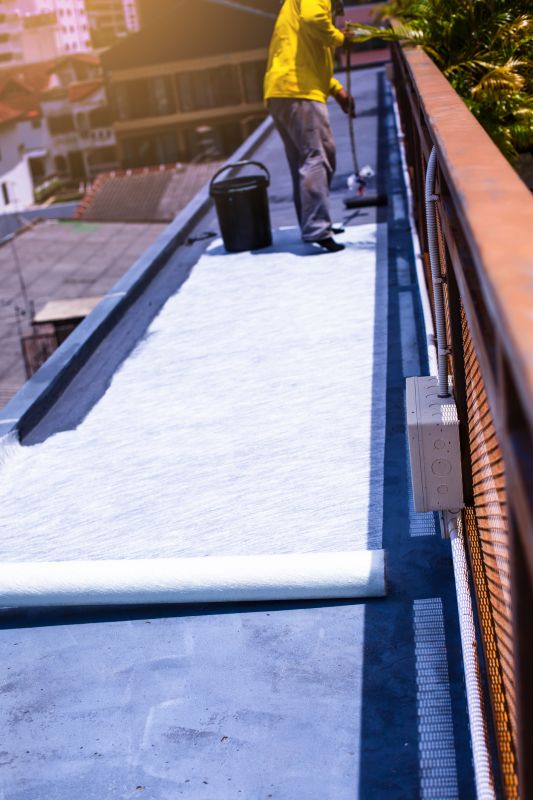
When comparing local contractors for roof waterproofing services, it’s important to consider their experience with similar projects. Homeowners should look for service providers who have a track record of successfully completing waterproofing work on properties comparable to their own. This helps ensure that the contractor understands the specific challenges and requirements of the job, which can contribute to a more effective and durable solution. Gathering details about past projects can provide insight into their expertise and whether they have handled situations similar to what the homeowner needs.
Clear, written expectations are essential when evaluating potential service providers. Homeowners should seek out contractors who can provide detailed written descriptions of the scope of work, materials to be used, and the steps involved in the waterproofing process. Having this information in writing helps prevent misunderstandings and ensures that everyone is aligned on what will be done. It also allows homeowners to compare proposals more effectively and make informed decisions based on the specifics of each contractor’s approach.
Reputation and communication are key factors when choosing local pros for roof waterproofing. Reputable contractors often have references or reviews from previous clients that can attest to their reliability and quality of work. Good communication from the outset-such as prompt responses to inquiries and clarity in explaining options-can also indicate a professional and customer-focused service provider. While this site introduces homeowners to local options, it’s important for homeowners to contact prospective contractors directly to verify their reputation and ensure they can meet expectations throughout the project.
Property owners use Roof Waterproofing services for practical projects around their homes and businesses. This guide focuses on everyday jobs and straightforward project options.
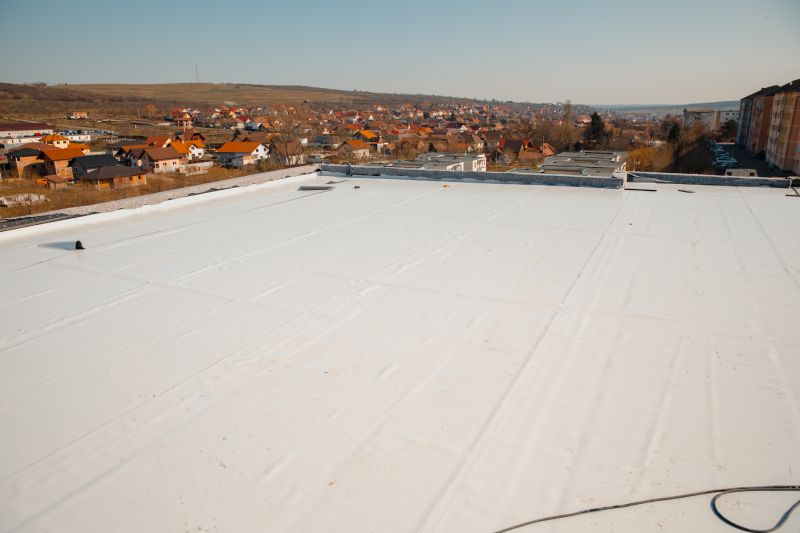
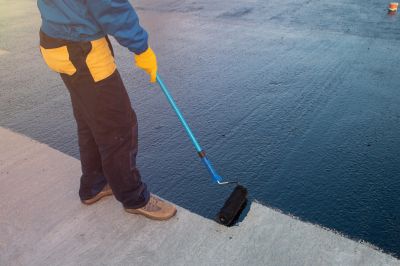
Roof waterproofing services are often sought after by property owners dealing with leaks after heavy rains or noticing damp spots on ceilings and walls. These issues can lead to interior damage, mold growth, and increased repair costs if not addressed promptly. Local contractors specializing in waterproofing can evaluate the roof’s condition, identify vulnerable areas, and apply protective coatings or sealants to prevent water intrusion, helping to maintain the integrity of the building structure.
Homeowners and building managers may also look for waterproofing solutions when planning renovations or upgrades to improve the durability of their roofs. Additionally, properties located in areas prone to frequent storms or high humidity often require regular maintenance or repairs to keep roofs watertight. Connecting with experienced local service providers ensures that these projects are handled efficiently, with solutions tailored to the specific needs of the property.
What is roof waterproofing? Roof waterproofing involves applying a protective membrane or coating to prevent water from penetrating the roof structure, helping to keep the interior dry and protected from leaks.
Why should I consider waterproofing my roof? Waterproofing can prolong the lifespan of a roof, prevent water damage, and reduce the risk of leaks, especially in areas prone to heavy rain or snow.
What types of waterproofing materials are used by local contractors? Common materials include liquid membranes, bituminous coatings, and rubberized sheets, selected based on the roof type and local climate conditions.
How do local service providers assess a roof for waterproofing needs? They typically inspect the roof's surface, identify existing damage or leaks, and evaluate the roof's material and structure to recommend appropriate waterproofing solutions.
Can waterproofing be applied to any type of roof? Most roof types, including flat, sloped, and low-slope roofs, can be waterproofed, but the specific approach and materials may vary depending on the roof's design and condition.
Prevent Water Damage - Property owners can protect basements and crawl spaces from leaks by hiring local contractors to apply waterproofing solutions.
Enhance Roof Durability - Homeowners can extend the lifespan of their roofs by having professionals seal vulnerable areas and improve water resistance.
Improve Indoor Comfort - Proper waterproofing can help maintain consistent indoor temperatures and prevent mold growth caused by moisture seepage.
Prepare for Seasonal Changes - Property owners can proactively reinforce their roofs before heavy rains or snow to avoid costly repairs later.
If you are thinking about Roof Waterproofing for a property, this guide is meant to help you understand the work, the typical project types, and how different options might fit your plans.
When you are ready, you can use the quote form on this page to share a few details about your project. From there, local pros can review the basics and respond with options that match what you have in mind.